
3D Printing in Health Sciences
Advancing medical education, research, and patient care through innovation.
About Us
The Additive Manufacturing Unit at the University of Pretoria’s Faculty of Health Sciences is dedicated to exploring how 3D printing and digital modelling transform healthcare and education. Established in 2022 with support from Erasmus+ Capacity Building in Higher Education, the unit has become a hub for innovation in anatomy, surgery, and biomedical sciences.
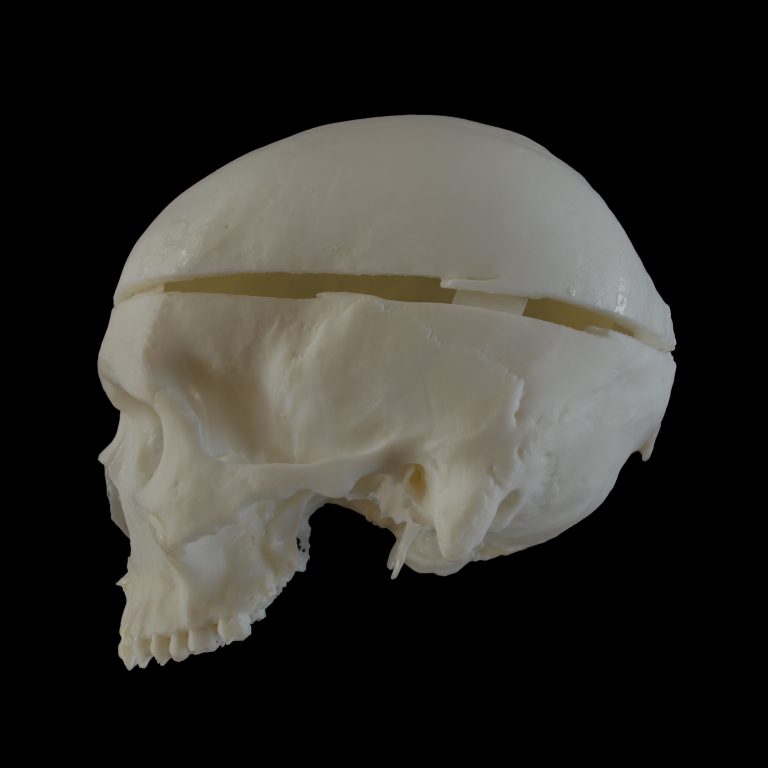
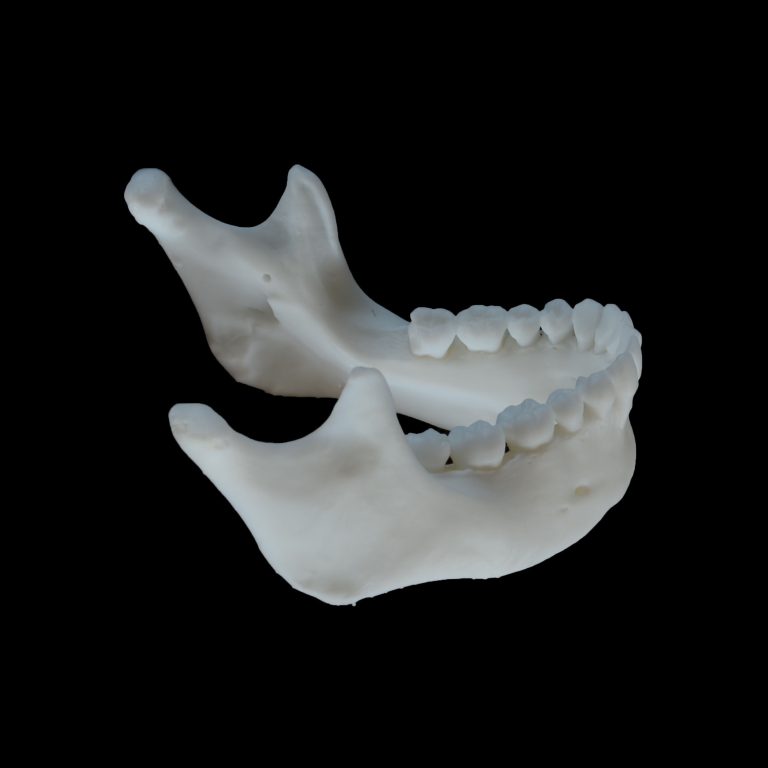
Working closely with the Forensic Anthropology Research Centre (FARC), the team combines high-resolution scanning, advanced imaging, and 3D printing to create accurate models that support teaching, research, and clinical practice.
Advancing Knowledge and Practice
Digital Skeletal Repository
Through the Bakeng se Afrika project (2019–2023), UP and international partners built the first digital skeletal repository in Southern Africa. With over 3 500 micro-XCT scans, this open scientific resource advances research in anatomy, anthropology, and medicine.
Innovations in Medical Education
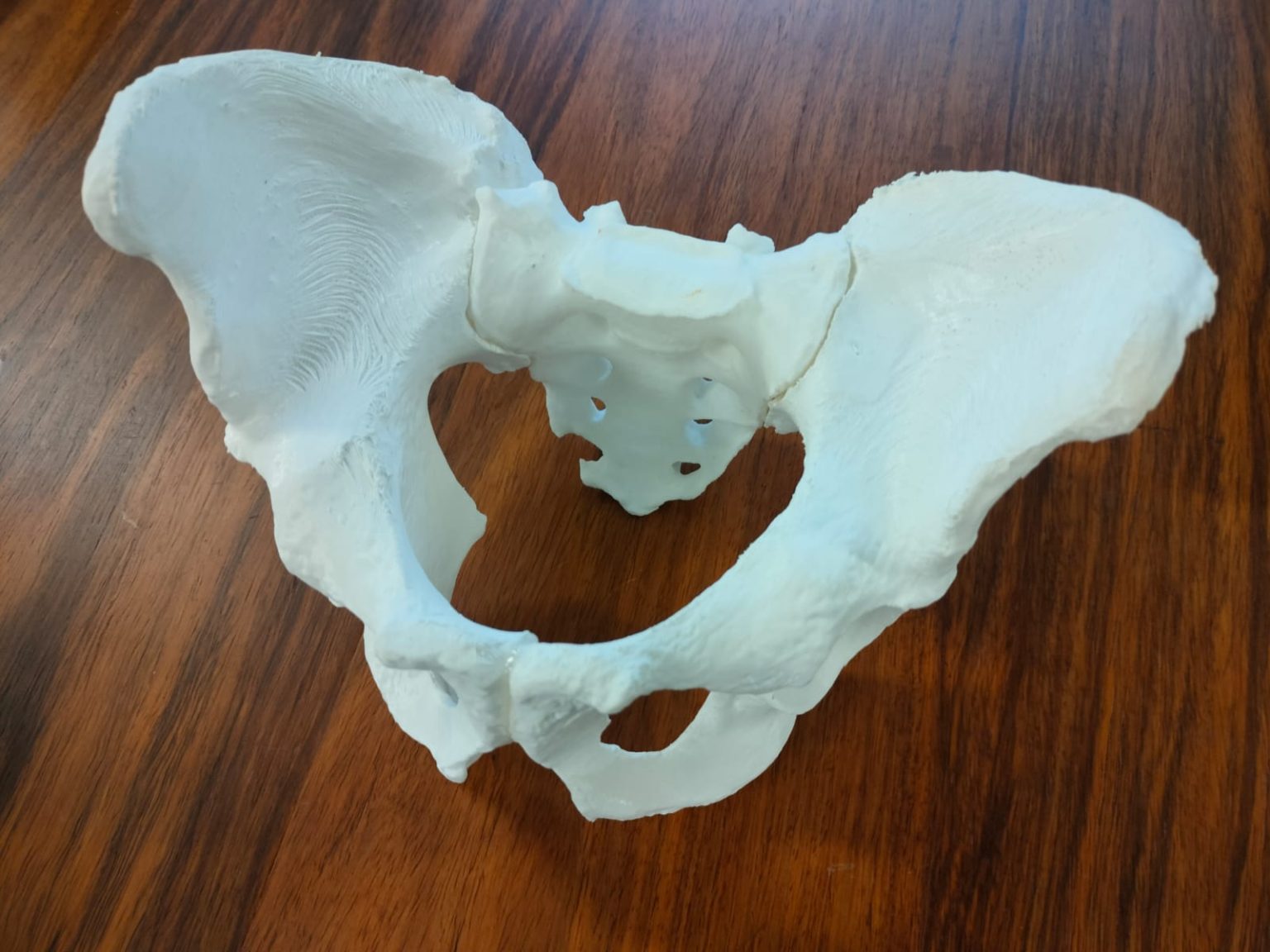
The Dirisana+ project (2021–2024) focuses on improving health sciences education across Southern Africa. At UP, researchers are using 3D printed anatomical teaching models to make learning more interactive and precise, helping to bridge gaps in clinical and anatomical training.
Transforming Clinical Care
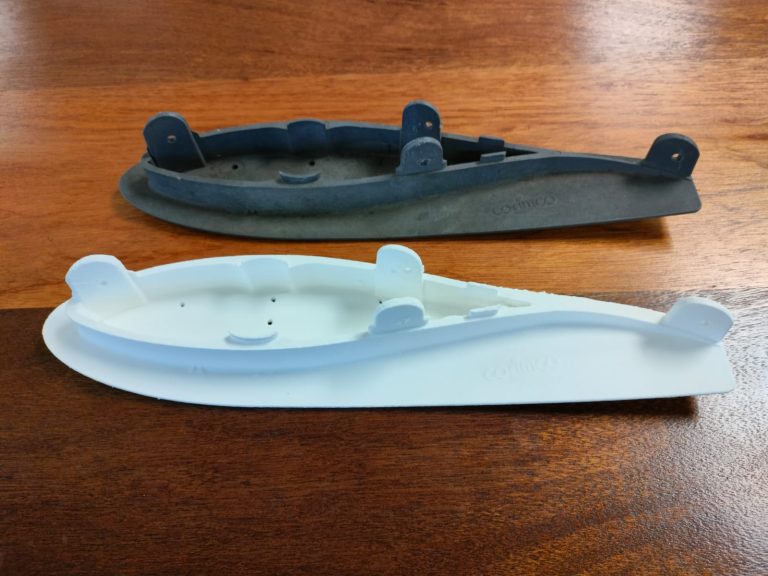
From detailed models of bones and joints for orthopaedics and prosthodontics to patient-specific prints for surgical preparation, 3D technology is reshaping medical practice. Surgeons can now plan procedures with greater accuracy, design personalised implants, and ultimately improve patient outcomes.
Shaping the Future of Health Sciences
By integrating 3D imaging, scanning, and additive manufacturing, the Faculty of Health Sciences is not only advancing research and education but also creating solutions that respond to healthcare challenges in South Africa and beyond.